Pain is unsafe to specify and persistent to deal with. In emergency situation treatment, it can be the only signs and symptom a person can express via shock, anxiety, or language barriers. That is why PUAEME008, the nationwide device entitled Supply discomfort monitoring, has actually ended up being a sensible support for clinicians that wish to provide safe, timely, and accountable analgesia. Whether you are a paramedic, nurse, physio therapist, or a medical professional working in remote or commercial setups, earning a discomfort management certification with PUAEME008 is a crisp means to verify that you can evaluate discomfort quickly, pick a proper intervention, screen for damaging effects, and paper with legal defensibility.
I have actually educated and examined this system for blended accomplices, from SES volunteers to ICU registered nurses freshening their extent. The most effective candidates do not simply remember application charts. They find out to check out individuals and circumstances, to escalate treatment when a warning shows up, and to make measured options in incomplete problems. This guide describes what PUAEME008 covers, just how the analysis plays out, and how to pick the ideal discomfort management training course for your role.

What PUAEME008 in fact covers
PUAEME008 rests inside the general public Safety Training Package and concentrates on the immediate, organized shipment of analgesia in out‑of‑hospital or time‑critical atmospheres. The proficiency blends clinical judgment, pharmacology essentials, and operational discipline. In technique, candidates learn to do five points well: examine, interact, choose, provide, and monitor.
Assessment comes first. The device anticipates you to set apart between mild, moderate, and severe pain using confirmed scales. On adults, that might be a numeric score from no to ten, along with useful hints such as splinting, diaphoresis, or a failure to activate. With kids, you may make use of the Wong‑Baker deals with or the FLACC range, and you need to adapt your strategy to developing phase and social assumptions. Across age, the actual skill is to fix up the score with the medical picture. A patient farmer with a spiral tibial fracture might rate pain at 4, yet flinch with every little activity. The device shows you to balance numbers against observed distress, mechanism of injury, and the most likely pathology.
Communication is not only compassion and tone. The program drills structured handovers utilizing frameworks like IMIST‑AMBO or ISBAR. When you provide analgesia, you must explain in words indications, contraindications, and what you informed the individual about risks. Excellent prospects ask consent in ordinary language, confirm allergies, and ask when the client last consumed or drank, even if they do not plan to offer an opioid. That details commonly matters later on when treatment is handed off to greater acuity services.
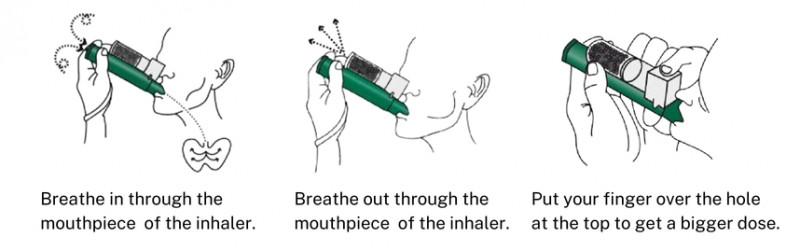
Choice of technique relies on scope and setup. PUAEME008 does not require one pharmacologic path. It expects you to use your regional scientific method guidelines and gadget gain access to. For several services, that implies dental or buccal anesthetics initially, inhaled methoxyflurane for modest to serious pain if available, and titrated opioids only under clear protocols. The system also anticipates effectiveness in non‑pharmacologic strategies that work in the real world: splinting, ice, gentle repositioning, elevation, and quiet coaching to slow down breathing. You will certainly not pass if you grab a drug without trying basic physical actions that minimize discomfort at the source.
Administration and documentation are treated as a single skill set. You need to determine a secure dose, provide it through the proper route, and record specifically what you provided, just how much, what time, and what happened following. The paperwork matters. In lawful testimonials, the dose and timing record often chooses whether a medical professional met standard of treatment. Practical assessments in a discomfort management certificate program will normally include a circumstance where the assessor asks for your graph to see if it is timed, understandable, and complete.
Monitoring and escalation are where strong experts stand out. Analgesia is not a one‑and‑done event. You must reassess pain, check essential signs at sensible intervals, and look for adverse effects like hypotension, respiratory depression, or introduction ecstasy. You require to understand when to stop briefly, reverse, or switch over agents. If the individual is still twisting after an initial dosage and your protocols enable a second management, you must not let worry of numbers stop you from titrating toward comfort. On the other hand, if your preliminary intervention goes down the respiratory system rate, you have to pivot instantly to air passage assistance and notify sophisticated care.
The type of students that benefit
The common course is mixed. Paramedics take PUAEME008 to align with solution credentialing. Nurses, specifically those that float with ED or work in urgent care facilities, complete it to strengthen triage choices and analgesia pathways. Physiotherapists and sports med clinicians use it to manage sharp pain around cracks, misplacements, or postoperative complications in neighborhood settings. Industrial medics and remote initial -responders depend on this device for lone‑worker safety and security when discharge is delayed. The variety of students is a feature, not an insect, because discomfort is global and the same logic tree applies whether you remain in a city rescue or a mine site clinic.
For nurses asking whether pain management courses for nurses add anything beyond standard enrollment, the answer is indeed when the program consists of practical situations and an analysis versus PUAEME008. It pushes technique towards prompt analgesia without the response of waiting on a clinical officer. For physiotherapists, brief programs hurting management adjusted to PUAEME008 show that you can manage intense analgesia while remaining within your lawful extent and recommendation pathways.
What a high‑quality program looks like
A great discomfort management program does not drown you in pharmacology slides. It provides you sufficient concept to be secure, after that relocates promptly to situation job that evaluates judgment. Anticipate a mixed layout: pre‑reading on discomfort physiology and common analgesics, a functional day with substitute patients, and an organized evaluation versus the unit's components and efficiency criteria. The most effective discomfort monitoring training courses compose their scenarios from event information as opposed to creative imagination, so the cases show the telephone calls you will actually get.
The curriculum must include non‑drug tools and environmental adjustments that lower discomfort without risk. I still remember a trainee who transformed a shoulder misplacement from a 8 to a four with 2 things: a heat pack and a rolled towel in between the ribs and arm to unload tension. Straightforward, efficient, and within every scope of practice.
If a carrier claims the device can be supplied entirely on-line, ask hard concerns. While some concept can be completed practically, the analysis of administration, client communication, and monitoring needs observation by a certified assessor. At minimum, you must be video‑assessed giving a medicine, explaining in words checks and doses, and responding to a substitute damaging occasion. In‑person assessment stays the gold standard since it exposes body language, timing, and micro‑decisions that video can miss.
Core web content you will master
Pain science forms the foundation. You will certainly examine nociceptive, neuropathic, and blended pain; peripheral and central sensitization; and why tissue damages is not a linear forecaster of reported pain. After that you map this to useful evaluation: when to think compartment disorder, how to detect warnings like neurological shortages, and how to divide distress from danger.
Pharmacology is taught with restraint, concentrated on what you will in fact utilize under procedure. Dental paracetamol and advil continue to be first‑line for light to modest pain, with interest to contraindications like kidney problems, peptic abscess illness, or anticoagulant treatment. Inhaled methoxyflurane turns up often in emergency situation pain monitoring because of its rapid start, patient‑controlled shipment, and basic package. You will certainly learn its ceiling effect, the factors to prevent it in kidney condition or prolonged direct exposure, and secure ventilation in confined rooms. Opioids receive sober treatment. The system anticipates you to comprehend morphine and fentanyl basics, titration concepts, adverse effects, and the procedural safeguards around storage space, wastage, and reconciliation.
Non pharmacologic methods are treated as major interventions. Appropriate splinting, hand-operated traction for particular injuries under guidance, cool and warmth treatment with timing, and straightforward relaxation hints can lower pain by significant margins. Several prospects are shocked by how often boosted positioning adjustments vital indications more than a medication does. A youngster with a lower arm fracture who sits onward with the limb sustained frequently quits sobbing once the arm relaxes over the heart and the area is immobilized.
Risk monitoring runs through every component. You will exercise an opioid‑induced respiratory depression situation, practice an allergy to a common agent, and manage a hypotensive action in a volume‑depleted individual. Documentation is not afterthought. You will certainly create succinct, defensible notes that tie evaluation to treatment and outcome.
How to pick the right provider
The market for pain monitoring training is crowded. Some programs checklist PUAEME008 give pain management prominently, while others bundle it inside broader emergency treatment qualifications. Look for a signed up training organization that releases the exact unit code, specifies the analysis conditions, and names the learner cohorts for whom the course is suitable. Inquire about assessor qualifications. An instructor that has actually delivered analgesia in the area, not only instructed it, will find variances faster and offer better feedback.
Check that the discomfort management qualification program aligns with your scope of practice and work environment protocols. A registered nurse in a cosmopolitan immediate care clinic may need IV cannulation and opioid titration method. A remote area wellness employee without IV gain access to might require more powerful focus on breathed in and dental alternatives, in addition to prolonged surveillance. Physiotherapists will certainly want clearness on referral thresholds and when to halt treatment and transfer. If a provider can tailor situations to your industry, it is a good sign.
Time financial investment matters. The majority of certificate training course hurting management offerings developed around PUAEME008 run as a someday useful with pre‑learning that takes three to six hours, depending on your baseline knowledge. For full novices, a two day style with additional method is worth the extra time. A much shorter schedule is great if you already have emergency exposure and you are aiming for official acknowledgment instead of initial exposure.
What evaluation day really feels like
The day begins with a quick concept check. Anticipate a short test that covers indicators, contraindications, application varieties, and checking intervals. Then you move right into scenarios. You could fulfill a simulated client with renal colic, pacing and sweating, or an elderly person with a fractured neck of thigh who is scared and hard of hearing. An assessor enjoys you take a quick history, carry out a targeted exam, and describe your plan.
You will be expected to show 2 or three courses of analgesia, straightened with your organizational extent and the program's permitted medications. That usually consists of dental agents, an inhaled option, and an opioid in a regulated environment. You will certainly be asked to keep an eye on, reassess, and paper. In one circumstance, something will go wrong deliberately, maybe a drop in oxygen saturation or a shock allergic reaction. Your task is to recognize it early, quit the offending agent, support the airway, and escalate.
The documentation is not a box‑tick. Assessors will certainly search for times that make good sense, pain ratings before and after, and a brief story that discusses your decisions. If you give a second dose, create why. If you choose not to rise to an opioid, connection that choice to scientific thinking, such as steady discomfort at three out of ten after splinting and oral analgesia, with transport time under fifteen minutes.
Where PUAEME008 fits with wider training
Many candidates stack this system with others to build a sensible profile. A typical combination consists of respiratory tract monitoring, intravenous cannulation where permitted, and trauma treatment modules. Some set it with psychological wellness first aid, since mental distress amplifies discomfort and can derail even the most effective strategy. For nurses, discomfort monitoring training for registered nurses often sits together with triage education and learning and procedural sedation proficiencies. Physiotherapists may integrate it with crack administration and taping workshops.
If you prepare to relocate into commercial or remote functions, take into consideration adding components on ecological threat, prolonged area care, and radio interactions. Pain control in a storehouse with trusted ambulance accessibility is one context. Discomfort control on a remote highway with no cell protection for ninety minutes is one more. The unit's logic holds in both locations, however your back-up strategy adjustments, and you require to assume in time blocks as opposed to solitary events.
The legal and honest limits you need to respect
A pain monitoring certification is proof of competence against a details unit of proficiency. It does not broaden your licensure. You must operate within your expert range and any regional medical technique standards. As an example, a physiotherapist might be trained to provide inhaled analgesia under a defined procedure in a sporting activities medication clinic, yet that does not imply authority to suggest or infuse opioids. A nurse may be credentialed for nurse‑initiated medicines in an emergency situation department but still requires a standing order and ideal supervision.
Consent is non‑negotiable. Also in emergency situations, seek assent and clarify in simple language what you plan to do and what to anticipate. Opioids require special treatment, from storage in a locked container to seen disposal of waste. Documentation should be prompt and genuine. Retrospective notes that patch openings are a forensic red flag.
Equity matters. People share discomfort in a different way across cultures and individual backgrounds. A professional who under‑reports discomfort does not need to prove experiencing to obtain relief. A youngster who shrieks at a treatment might be a lot more troubled than wounded, however distress is still pain that deserves treatment. The unit anticipates prospects to calibrate empathy and activity without bias.
What real skills looks like on shift
The best means to recognize the system's worth is through brief vignettes that mirror practice.
A night‑shift nurse in a minor injuries system obtains a 60‑year‑old with a crushed hand from a garage door. The hand is swollen, and the man is out of breath with discomfort. She checks vitals, places the hand elevated on a pillow, and applies cold packs for 15 mins. With an allergy check and procedure clearance, she provides oral paracetamol and advil. 10 minutes later, the individual is still rating discomfort at 8 and can not endure x‑rays. She launches inhaled analgesia under standing orders, coaches sluggish breathing, and reassesses at five minutes. Pain drops to 5. Imaging happens safely, and she documents the sequence with times, doses, and response.

A remote location medical professional sees a stockman with an ankle joint deformity after a fall from a quad bike. Transportation is at least 90 mins. The clinician splints the ankle, checks neurovascular status, and gives inhaled analgesia. Twenty mins later on, the pain stays severe. Under protocol, the clinician provides a tiny dosage of an opioid intranasally, reflects on, and proceeds vital indication surveillance every 5 minutes while preparing tryst. The stockman remains hemodynamically steady. Without the unit's emphasis on duplicated assessment and gauged rise, that call could have swung towards panic or under‑treatment.
A physiotherapist in a sporting activities center assesses an adolescent gymnast with suspected back tension injury who arrives in tears. After a red‑flag check to eliminate cauda equina indications, the physio makes use of placing to discharge the spinal column, uses heat, supplies guided breathing to minimize safeguarding, and works with a general practitioner recommendation. No drugs are given in clinic, but the medical professional's self-confidence suffering analysis devices and communication derives directly from discomfort management training, which keeps safety and trust.
How to prepare and pass on the initial try
Treat the pre‑reading seriously, especially medicine accounts and contraindications. Practice dosage calculations aloud with a buddy till the math moves readily. Watch your language, https://pastelink.net/48bm21q6 not simply your pharmacology. Clear, unhurried explanations reduced viewed pain prior to the very first dosage lands. Throughout situations, state what you are doing as you do it, then say what you observe. Examiners are not mind readers. If you assume you see very early respiratory depression, name it and act.
Do not be heroic. If you hit a knowledge limitation, rise very early and document exactly what you did and why. A secure handover is part of the device. The fastest method to lose marks is sloppy documentation and unclear plans. Accuracy and humility win.
Cost, time, and credentialing realities
Pricing varies commonly by supplier and area. As a rough guide, expect a discomfort management certification program aligned with PUAEME008 to cost in the low hundreds for individuals, with group rates for companies. When paired with other devices across two days, plan pricing commonly brings the efficient per‑unit price down. Many companies provide a statement of achievement within two weeks of effective evaluation. Some companies call for refresher course training on a one to three year cycle, specifically for representatives like methoxyflurane and opioids, to keep skills fresh and audit tracks clean.
If you need quick credentialing for a new role, choose an RTO that runs frequent sessions and can confirm analysis windows early. Ask if they accept recognition of prior discovering if you have recent documented analgesia technique. RPL can streamline the process yet will still call for evidence, such as situation logs, manager endorsements, and example documentation.
How this accreditation reinforces a career
Clinicians that hold a pain administration certification find that their medical conversations change. They support for early analgesia throughout triage instead of waiting for diagnostics. They think in turn: setting, immobilize, oral representatives if suitable, inhaled rescue, take into consideration opioids, reassess, record, handover. Their patients bear in mind being treated with respect and skill. In audits, their graphes make good sense also months later on. For nurses, it becomes a quiet lever for increased duties. For physiotherapists, it increases trust with referrers who see a clinician that can keep a lid on pain while arranging definitive pain management certificate course care. For paramedics and very first -responders, it includes a credential that lots of solutions need for particular vehicles or occasion medicine teams.
Pain management training is not attractive. It is a craft constructed from little, consistent activities provided under stress. PUAEME008 formalizes that craft into a conventional you can learn, method, and verify. If you select a service provider that values realistic look, prepare with objective, and approach the evaluation as a reflection of just how you prepare to function, the certificate is not just a line on a CURRICULUM VITAE. It becomes a habit of treatment that holds constant at 3 in the morning when a person requires you to get the hurt under control.
Quick pathway to your certificate
- Confirm that your function and scope line up with the unit and any medications educated, after that choose an RTO that lists PUAEME008 Give discomfort monitoring with in‑person assessment. Complete pre‑learning on discomfort ranges, usual agents, and contraindications, and technique dose computations till you are fluent. Attend practical training with a concentrate on clear communication, safe management, repeated reassessment, and extensive documentation. Pass the observed scenarios, respond properly to at least one adverse event, and send precise, timely notes for every case. Receive your statement of attainment and prepare work environment credentialing or refresher periods according to regional policy.
Resources worth keeping close
- Your regional professional method guidelines or standing orders, specifically application tables and rise pathways. A laminated flooring pain scale established for adults and children that fits in your pocket kit. An easy documents template that motivates before and after pain ratings, dosage, route, time, and response. A brief debrief practice after challenging instances to improve what to change next time.
Pain will always become part of the job. Skills transforms it from chaos to a series of manageable problems. PUAEME008 offers you the structure, the practice, and the evidence that you can provide discomfort administration securely and well. If you function where first call and fast choices matter, it is one of one of the most beneficial certificates you can earn.